Climate change is an emergency of our own making and one of capitalism’s characteristic crises. To halt it, to limit the rise in global temperatures, is our most urgent collective task as a species. These are maxims on which only those hoodwinked by denialist charlatans would disagree.
Like any crisis, though, it continues to provoke ill-thought-out and emotive ‘solutions’ which at best accomplish next to nothing and at worst result in tangible harm.
Consider the feel-good individualism of campaigns to change consumer behaviour, being encouraged to “think of the planet” and e.g. switch off lights. An individual LED outputs 2g of CO2 per hour, meanwhile, a single transatlantic flight by private jet outputs 30 metric tonnes. 624,800 people would have to leave a light on for an entire day to match the CO2 emitted by just one British billionaire’s trip to New York.
I hate to break it to you, but all the lights you’ve so conscientiously turned off throughout your life and patted yourself on the back for, probably haven’t made a blind bit of difference. Sorry! The conversation on the demand side of decarbonisation is still largely focussed on such trifles, distracting from the devastating carbon footprint of the real culprits – private and commercial aviation, warfare and most recently, gigantic data centres generating AI slop.
Drilling isn’t the problem
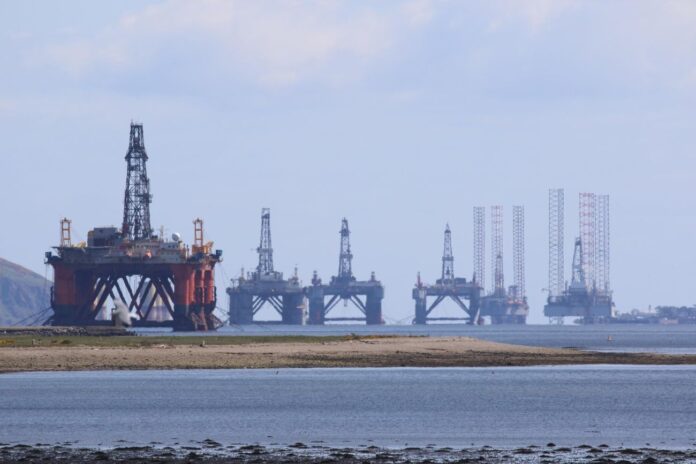
The conversation on the supply side is no less afflicted by kneejerk reactions. In the popular imagination, the expansion of drilling for oil and gas in the North Sea off the coast of Scotland is somehow a grave sin against our climate. There’s a rather obvious problem with that line of reasoning. Drilling, in and of itself, emits very little CO2. The consumption of its products does.
With the crisis in the Strait of Hormuz leading to the price of oil and gas spiralling out of control, we saw what little impact a reduction in supply has on global consumption. Fuel is, in the terms of classical economics, a “demand-inelastic good”. It is largely consumed for purposes considered essential by consumers, so if the price rises they will cut back elsewhere rather than consume less fuel.
Conversely, if the price of fuel falls, people don’t suddenly consume more of it in significant amounts. Cheaper petrol doesn’t mean commuters go for 70-mile joy rides on their way home from work each night. Cheaper gas doesn’t mean people suddenly heat their homes to 30 degrees instead of 20. ‘Overproduction’ of fuel simply means that it gets stockpiled to be used later, not that overall consumption rises.
We have seen recently what happens when eco-populism dictates policy by way of Germany’s botched closure of the coal mines. Germany is not ready to abandon coal power stations, so instead of burning domestic coal they are now importing it from Brazil – actually increasing their carbon footprint (not to mention oceanic pollution). Likewise, the closure of Grangemouth and a curtailing of North Sea oil and gas extraction, only leads to Scotland and the UK becoming more reliant on imports, at no significant benefit to the environment.
Listen to the workers
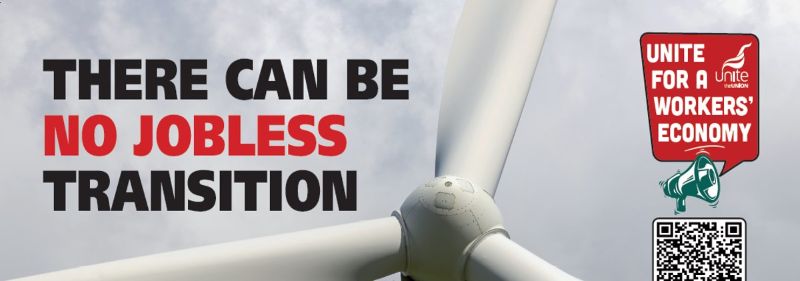
The Scottish government has, for the time being, missed the boat on ‘just transition’, as trade unions representing workers in the fossil fuel sector have been at pains to point out. Already, oil and gas workers are losing their livelihoods with no employment or training to transition into.
Our economy simply isn’t in a position yet to absorb a transition away from this industry at pace. Nobody wants to see a repeat of what happened with Thatcher’s mine closures and yet the Scottish and UK governments have nothing but empty and uncosted promises of future jobs and education to offer when unemployment is already creeping up at this very moment.
There are things those unions are getting wrong, too. Much like the SNP, they blame the windfall tax for recent job cuts when they should be blaming the profit motive and calling for the oil and gas sector to be brought, alongside all other natural resources, into public ownership.
But that single shortcoming on their part doesn’t undermine them as the lone voice in the wilderness rightly pointing out the complete insanity of accounting for the consumption of products on the production side when it comes to calculating carbon footprint and net zero targets.
As an Aberdonian, I have witnessed first-hand the lastingly devastating effects of the 2014-16 oil downturn on our communities. We need a stable oil and gas sector in public ownership until such time that the replacement jobs and retraining in greener industries are available to all affected workers, and not a moment sooner.
Nobody seems to want to hear it, but at this moment in time, that means more drilling, not less. Otherwise, we will soon be watching the north east of Scotland descend into a desolate, high-unemployment, drug-addled, crime-ridden backwater as other deindustrialised areas have.
Anyone indifferent to such devastation cannot claim to be a socialist.
Subscribe to our regular updates to receive the latest articles, analysis and news direct to your inbox at https://theleftlane.media/subscribe/