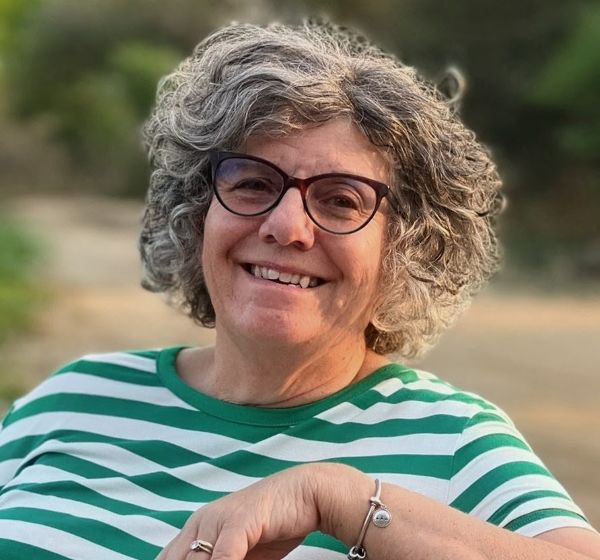

Psychologist Leah Spasova has finally won her battle with the Buckinghamshire, Oxfordshire and Berkshire West Integrated Care Board (ICB) to be sterilised, but only after she took her case to the parliamentary and health service ombudsman. She started in 2016.
At the time, the ICB did not routinely fund female sterilisation and cited the “risk of regret” as a reason for refusing women the procedure. Vasectomies for eligible men were funded by the NHS and “risk of regret” was not a valid reason for their rejection.
The ombudsman concluded last week that the ICB’s approach was unfair, inconsistent and based on subjective reasoning. This meant that women were not given the same opportunity as men to make an informed decision about sterilisation. The board was not even following the clinical guidance given for this procedure. So why was an ICB allowed to ignore clinical guidance and do so for so long? Why did Spasova have to go to the ombudsman to finally overturn their decision with regards to funding?
The surgical risks associated with sterilisation are greater than with a vasectomy, but once these are explained, the guidance is that the final decision should be with the person requesting the surgery. It would seem that, in the case of women, they are not being trusted to make decisions about their bodies in the way men are. In 2026 this kind of thing should not be happening. Sadly, it seems that it is.
In Spasova’s own words as recorded in the ombudsman’s decision: “Rejecting my application for sterilisation on the basis of regret means they were taking on liability for my feelings. The ICB says sterilisation is funded under exceptional circumstances, but nowhere do they list what those criteria are so it is impossible to know if you will be accepted or not. Someone else is making decisions about your body based on criteria you can’t even see.
“Policies like this are damaging for women’s healthcare and women’s access to health services –it’s absolutely discriminatory. There is continuing widespread inequality in how permanent contraception is accessed with concerns about fairness and respect for women’s bodily autonomy remain unresolved. The key lesson from my case is how commissioning policies can create unequal barriers and why people should fight for their rights through transparency and accountability.”
The fact that this ICB was following its own policy which did not align with clinical guidance highlights a general problem with the creation of integrated care boards. Paula Sussex, parliamentary and health service ombudsman, said that the issue highlighted in Spasova’s case about commissioning and managing of services by ICBs is not an isolated one. “We are concerned that there may be similar wider problems affecting multiple areas of healthcare and we have concerns that the system is not consistently meeting people’s needs and is letting patients down,” she said.
“Our data has highlighted that there are often unclear explanations of treatment or diagnosis within the NHS, confusing pathways, a lack of updates while patients wait for care and poorly communicated changes to provision. This case shows the power of the patient voice. Leah complained about her experience and the ICB is now reviewing its sterilisation policy. This could benefit and empower many more women to make informed decisions about their health,” said Sussex.